
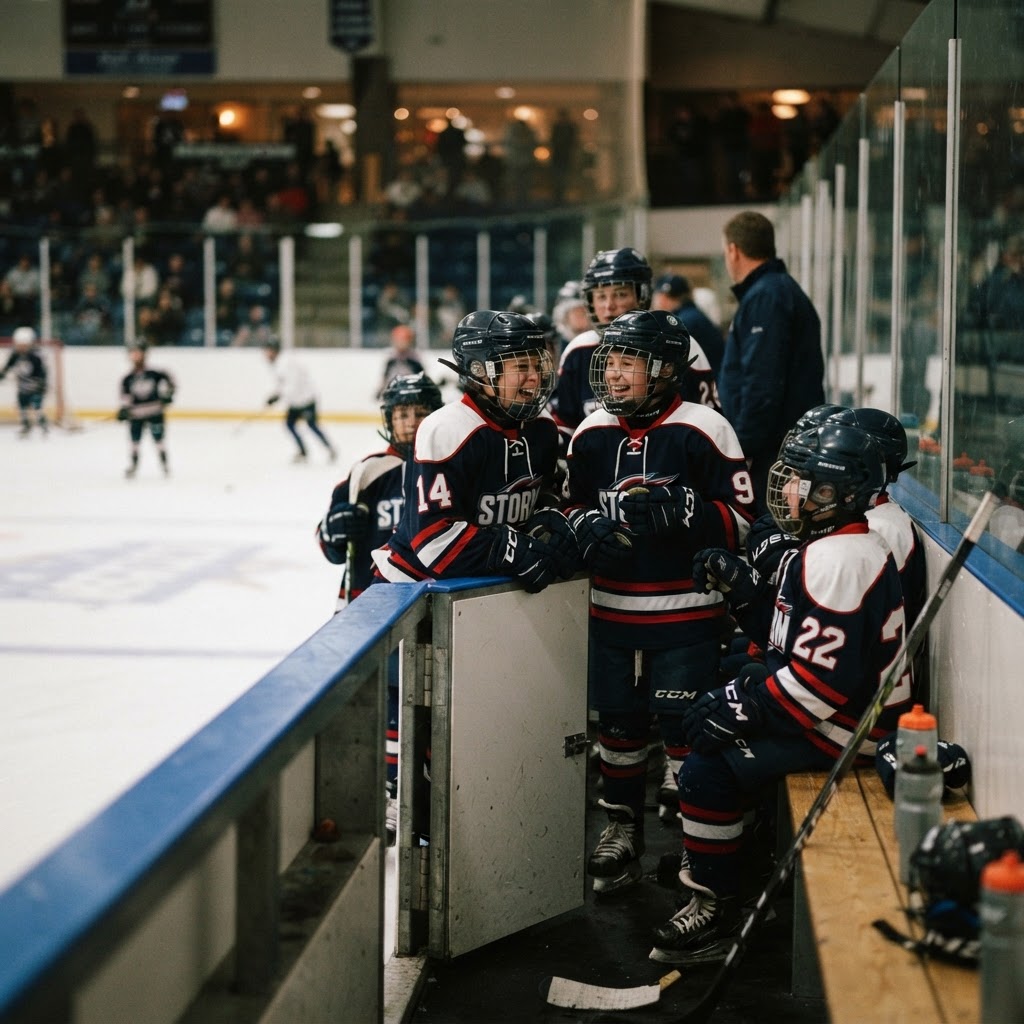
Minor hockey is one of the most expensive youth sports a family can sign up for, and everyone around a rink knows it. For the 2025 to 2026 season, tracked registration and cost data across more than 3,450 programs puts an all-in house league season at $1,400 to $4,100, a travel or A level season at $4,900 to $10,200, AA at $7,600 to $18,150, and AAA at $11,000 to $25,000 (Hockey Budget, Scout Elite).
Registration is only part of the bill. A first full kit for a Mite runs $270 to $520, and outfitting a Midget-aged skater runs $700 to $1,800 before a single stick breaks. Goalie gear can add $2,025 to $5,260 on its own. Tournament travel typically eats 20 to 40 percent of a family's total hockey spending, and a single fly-away showcase tournament can cost $1,500 to $3,000 (Hockey Budget).
Behind those family numbers sits the team budget, and the team budget is mostly ice. In Richmond Hill, Ontario, affiliated minor groups pay $266.12 per hour for prime time ice, HST included, and that buys 50 minutes of skating plus a flood (City of Richmond Hill). In California, rates reported for 2025 to 2026 run $400 to $600 per hour (Scout Elite). Two practices a week from September to March adds up fast, and that is before tournament entry fees, referees, and jerseys.
The people closing that gap are parents. The Aspen Institute's National Youth Sports Parent Survey found family spending on youth sports up 46 percent since 2019, with 62 percent of sports parents volunteering in some capacity at an average of more than four hours per week (Project Play). The team manager running your fundraiser is usually one of those parents, doing it after work, and the fundraiser that respects their time is the one that actually gets finished.
This guide compares the product fundraisers minor hockey teams actually run, with sourced numbers where they exist, so you can pick based on net margin and volunteer hours rather than habit.
What a good minor hockey fundraiser looks like
Before ranking options, three tests worth applying to any product fundraiser:
- Net margin per dollar sold. Not the headline percentage, but what the team keeps after shipping, unsold product, and fees.
- Volunteer hours required. Counting order collection, inventory handling, distribution, and chasing payments.
- Financial risk. Whether the team pays anything up front, and who eats unsold inventory.
One scope note: this guide covers product fundraisers, where a supporter pays money and receives something. Donation drives and pledge platforms are a different category with different mechanics, and we do not compare against them here.
Product fundraising options for minor hockey, ranked
1. No-inventory online product fundraisers
The strongest recent shift in team fundraising is toward products sold through an online store where the vendor handles payment, production, and shipping. The best-known example in hockey circles is Double Good popcorn, which advertises that teams keep 50 percent of every sale with no fees, minimums, upfront costs, or inventory, with campaigns running just a few days and the vendor handling shipping (Double Good).
Why this ranks first: the margin is mid-tier, but the volunteer hours are the lowest of any product option, and the financial risk is zero. For a team manager already volunteering four hours a week on hockey itself, that trade is usually right. The honest caveat is that supporters pay premium prices for consumable products, so the same family can only be asked a couple of times per season before fatigue sets in.
2. Discount and coupon products
Discount cards, coupon books, and restaurant certificate programs are a hockey staple because the supporter gets ongoing value rather than a one-time treat. Vendor-claimed profits in this category are the highest in product fundraising; JustFundraising, for example, advertises up to 90 percent profit on its highest-margin items and recommends teams never sell anything below 40 percent (JustFundraising). Krispy Kreme's Digital Dozens program is a related model, selling digital certificates through a custom link with no product handling, with Krispy Kreme advertising up to 50 percent to the group (Krispy Kreme).
The caveats: headline percentages usually describe the best case at the highest volume tier, cards are only worth what the local merchant deals are worth, and physical card programs still mean handing out inventory and collecting cash. Exact net margins vary by vendor tier and are unverified until you get a written quote.
3. Chocolate and direct-sale food
The classic case-of-chocolate-in-the-hockey-bag model still works, and the numbers are public. World's Finest Chocolate advertises up to 50 percent profit, with an 8 case minimum for online orders paid up front, a flat $120 shipping rate, and a policy that opened cases cannot be returned (World's Finest Chocolate). Krispy Kreme's classic program works the same way: buy dozens ahead of time, sell them at the rink, keep the difference (Krispy Kreme).
This model can hit its advertised margin, but only if you sell everything. Upfront payment plus non-returnable opened cases means the team carries real inventory risk, and someone's garage becomes a warehouse. Order-taker catalog programs (cookie dough, snacks) shift the risk profile; JustFundraising advertises up to 55 percent on those (JustFundraising), but they add a second round of volunteer work when products arrive and need sorting and delivery.
4. Raffles: the cautionary example
Raffles look attractive because the ticket price is pure revenue in the seller's mind. In practice they are often the weakest earner per volunteer hour in this list. The prize has to come out of the pot or be donated. Licensing is mandatory in most jurisdictions; in Ontario, raffles need a municipal licence at smaller prize values and an AGCO licence above $50,000 or for any electronic raffle, with licence fees around 1 to 3 percent of prize value (Zeffy's Ontario lottery licensing guide). Add printing, tracked ticket stubs, and reporting obligations, and a $5,000 gross raffle with a $2,000 purchased prize plus licence fee and printing nets somewhere near 55 percent, which is in the same range as a good product sale while demanding far more compliance work and volunteer time per ticket sold. If your association already runs a large established raffle with donated prizes, that math changes, but as a first fundraiser for one team, it is hard to recommend.
Where Donacelet fits for minor hockey
Donacelet is a product fundraiser built around a wristband, keychain, or virtual support code. A supporter buys a wristband, keychain, or virtual support code through your team's fundraiser and receives member-only Deals Access, which they keep using after the fundraiser ends. The team keeps $30 of every standard $60 sale, and $40 on referred sales. There are no upfront costs, and setup takes about 5 minutes. Each fundraiser is linked to a specific team, so the money goes to that team's budget, not into a general association pot.
For minor hockey specifically, the fit looks like this. The $30 to $40 kept per sale means a 16 to 18 skater roster where each family sells 5 wristbands raises roughly $2,400 to $3,600, which covers a tournament entry or a meaningful block of practice ice at the rates above. Because there is no inventory, the team manager's job is sharing a link, not running a warehouse, which matters for the parent already giving the team four volunteer hours a week. And because supporters keep using their Deals Access after the season, the ask feels less like charity and more like a purchase, which helps with the relatives and neighbours who already bought chocolate twice this year.
The honest limits: the $60 price point is a bigger single ask than a $5 chocolate bar, so it suits supporters who would rather make one purchase that returns ongoing value than several small ones. Teams that want players selling face to face at the rink door with product in hand may still want a physical-goods option alongside. Donacelet works best as the low-effort core fundraiser, not necessarily the only one your team ever runs.
You can see how live fundraisers look on the Fundraisers page, and the FAQ covers how to start one for your team.
Timing: the minor hockey fundraising calendar
Minor hockey runs roughly September to March, with tryouts in spring or late summer, and the big bills land early: registration, tournament deposits, and equipment all hit between August and October.
- Late August to September: launch your main fundraiser at registration or the first team meeting, when parents are already gathered, rosters are set, and the season's costs are freshly visible. A no-inventory fundraiser can be live the same week.
- Late November: a second, smaller push works before the holidays, when consumable products and gift-friendly items sell best.
- January to February: fundraise against a specific goal, such as a named tournament or playoff travel. Specific goals outperform general ones because parents and supporters can see exactly what the money buys.
- Avoid April to July for the main push. Families are off the rink, rosters have not formed, and next season's team may not be the same group. One exception: AAA and travel teams confirming rosters in spring can fundraise immediately after tryouts, while commitment is highest.
Two practical tips regardless of what you run. First, assign a single fundraiser owner and give every family a personal share link or order sheet, because "everyone is responsible" reliably means nobody is. Second, announce the target in dollars of ice or tournament fees, not just dollars, since "12 hours of practice ice" is more motivating than an abstract number.