The cost of playing has been climbing for years, and a story now moving through youth sports has put a sharp point on why. A private equity backed company that operates ice facilities is facing public scrutiny, a state inquiry, and a wave of reporting about higher fees and tighter control. Whatever you think of the specifics, the situation is a useful window into where family costs come from, and why the way your group raises money matters more than ever.
Here is what has been reported, kept to verified facts and attributed to the outlets that reported them, followed by what it means for teams, schools, clubs, and nonprofits trying to keep their programs affordable.
What is happening with Black Bear Sports Group
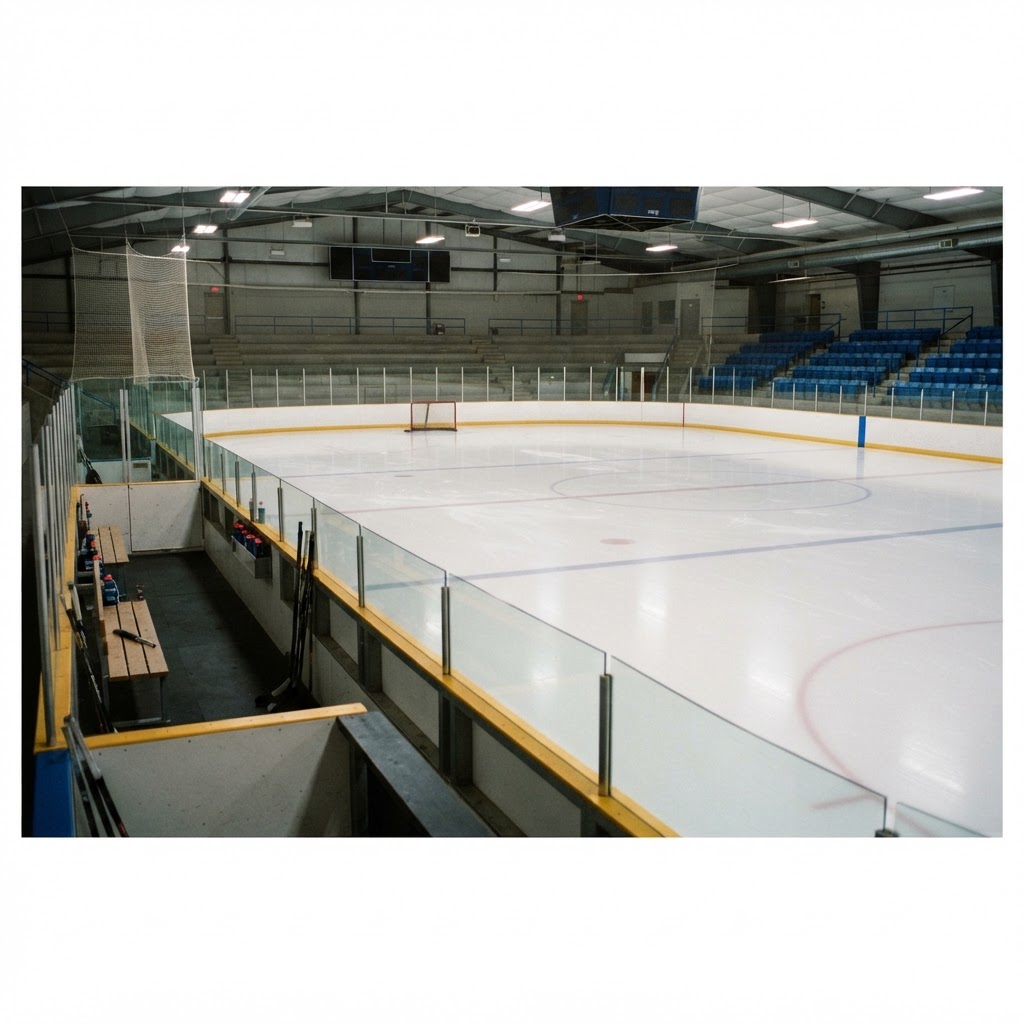
Black Bear Sports Group is a private equity sponsored company that owns and operates ice facilities around the country. According to WMUK reporting from April 2026, the company operates 47 facilities nationally, out of roughly 1,700 ice rinks in the United States, and 9 rinks in Michigan out of more than 100 statewide.
Two threads have driven the recent coverage. The first is about cost and consolidation. The second is about control.
The cost and consolidation questions
According to an investigation by The Lever, cited by WMUK, Black Bear purchased the former Wings West facility in Texas Township, Michigan, in October 2025 (reopening under a new name) and proposed a series of changes for local user groups. The Lever reported these included ice rental rates about 30 percent higher than the prior owner charged, locker room rentals at roughly double the previous annual cost, a new player registration and insurance charge of $50 per year per player, and a game streaming subscription (Black Bear TV) reported at $25 to $50 per month, with independent recording restricted. The Lever also reported that uniforms would need to be purchased from a New Jersey partner rather than sourced locally.
Michigan's Attorney General's office has been looking into the broader pattern. WMUK reported in April 2026 that the office was pursuing an antitrust inquiry into potential anticompetitive and unfair trade practices tied to the consolidation of local hockey programs and facilities, citing concerns about inflated costs for families, reduced service quality, and diminished access to community services.
The recording policy dispute
The second thread concerns whether parents could record their own kids. Reporting summarized by Youth Sports Business Report, based on The Lever's December 4, 2025 investigation, found that certain league rulebooks had introduced penalties for recording games, including suspension or dismissal for the remainder of the season with no refunds. After the reporting, Black Bear announced it would amend its contracts and rulebooks to allow full game and practice recording, while maintaining some restrictions on livestreaming.
The company's response
Black Bear has pushed back. A company spokesperson, Evan Nierman, told WMUK that the company's "policies and prices are transparent and competitive, and if they weren't, families would go to rinks nearby," and said the company was "not aware of any investigation by the Michigan Attorney General, or any basis for such an investigation." On the recording question, the company said a player and their team would not be punished, and it revised the policy language.
These remain contested claims and an open inquiry, not settled findings. The point for organizers is not to litigate one company. It is to notice how quickly the costs that families pay can move, and how little say a single team often has once fees are set from above.
The trend was already here
Even setting this one story aside, family spending on youth sports has been rising fast. A Project Play survey found that families spent an average of about $1,016 on a child's primary sport in 2024, a 46 percent increase over five years and roughly double the rate of inflation. Across all activities, spending approaches $1,500 per child per year, and the sector now represents more than $40 billion in annual family spending.
The drivers are the same broad costs almost every group faces: registration, travel, facility fees, and uniforms. When any of those climb, the pressure lands on the same families you are asking to support the program. That is the real lesson in the Black Bear coverage. Costs set by someone else can rise faster than budgets, and groups need a funding source they actually control.
What this means for your group
Two things follow for any organization raising money this season, whether you are a sports team, a school, a booster club, a PTA, a club, or a charity.
First, keep the money at the team level. The whole problem in the headlines is money and decisions flowing away from local groups. Your fundraising should do the opposite. A Donacelet fundraiser is linked to your specific team or group, so every dollar raised goes to you and not into a shared pool.
Second, stop leaning on weak options. When families are already stretched, asking them to buy raffle tickets, where most people pay and get nothing back, is a hard sell that returns very little. Give supporters something of real value instead, and the ask becomes a win for everyone.
How Donacelet keeps more money local
Here is the model in plain numbers. A supporter buys a wristband, keychain, or virtual support code, and your group earns up to $40 on every referred sale. In return, the supporter gets member-only Deals Access to the Donacelet Deals Marketplace, featuring more than 700 national brands. Each wristband is paired to unlock 6 months of Deals Access, so the savings can more than cover the purchase price. Instead of a ticket that goes in the trash, your supporter walks away with something they will use, which makes them far more likely to buy again and to refer a friend.
If your group prefers in person sales at games, practices, and community events, wholesale pricing is available at $15 per unit for orders of 100 or more. You can sell those units for up to $60 each, which works out to as much as a 75 percent margin. Many groups run both at once: online referrals to reach the wider network of family and friends, and in person wholesale in the community.
Put together, that is a funding source your group sets and keeps, built on giving supporters genuine value rather than squeezing families who are already paying more every year.
The takeaway
The Black Bear story is still developing, and the company disputes parts of it. But the underlying trend is not in dispute: youth sports and activities keep getting more expensive, and families feel it. The best thing your group can do is control what it can. Build a fundraiser that keeps money local, rewards the people who support you, and does not depend on tired old tactics.
Start your fundraiser at donacelet.org and give your group a funding source you actually own.