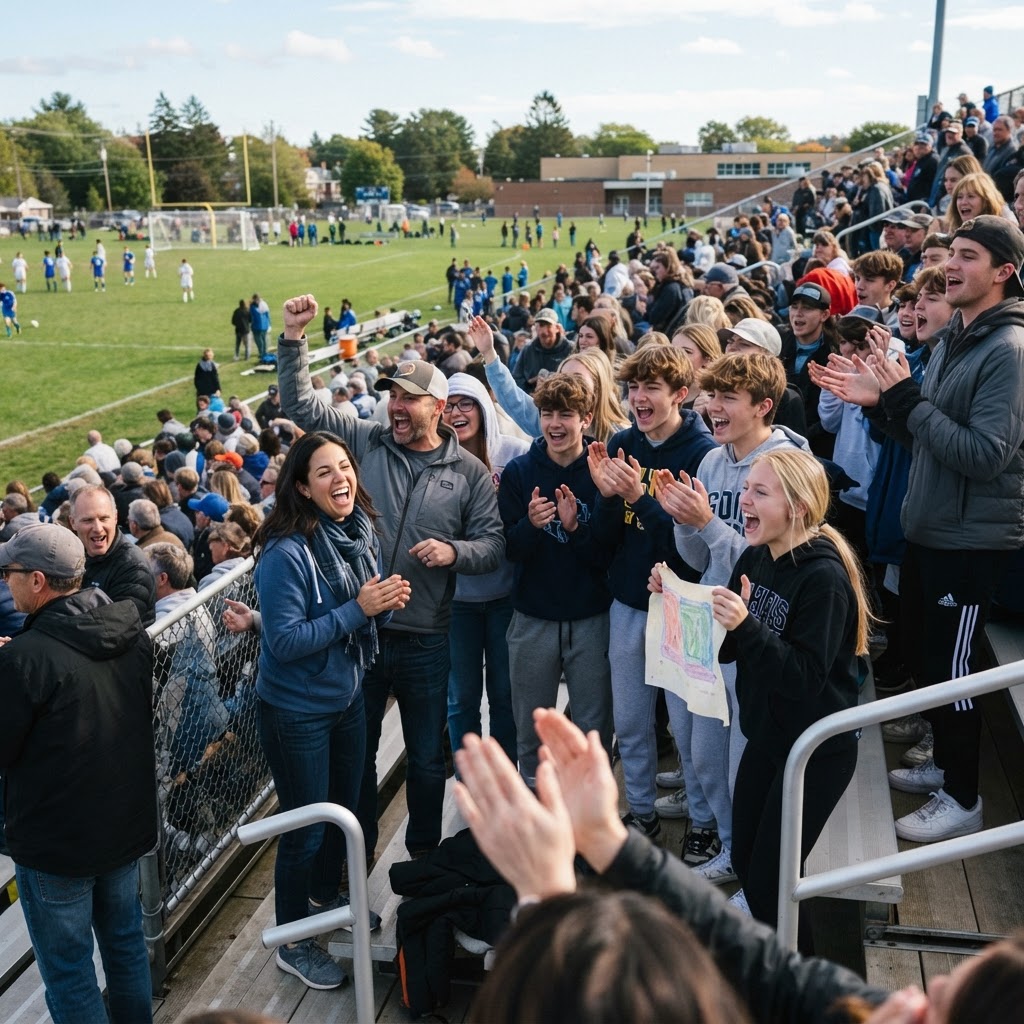

The news: youth sports is now a $40 billion industry, and Washington is watching
In late July 2026, Stateline reported that private investment in youth sports has grown large enough to draw scrutiny from both state and federal officials. Youth sports in the United States is now roughly a $40 billion industry, close to double the annual revenue of the NFL. Over the past few years, private equity firms have been buying up the leagues, tournament operators, and facilities that families depend on. KKR acquired Varsity Brands for $4.5 billion in 2024. A private-capital-backed company called 3STEP Sports now controls more than 5,000 clubs across all 50 states.
That consolidation has caught the attention of regulators. Michigan's attorney general opened an investigation into a major youth hockey operator in April 2026, and Texas launched its own inquiry into a professional-team-linked youth program in late 2025. In June 2026, a congressional hearing nicknamed "Field of Fees" put the business practices of these operators under a microscope, and lawmakers from both parties have floated bills to limit predatory practices.
The takeaway for anyone who runs a team, club, school group, or community organization is simple. The cost of participation is now a national story, not just a line item in your household budget.
A tax credit is on the table, but it has not passed
There is also a federal effort to help families directly. The Promoting Lifelong Activity for Youth (PLAY) Act, introduced by New Jersey Congressman Josh Gottheimer, would create a tax credit of up to $2,000 per child for youth sports expenses like registration and equipment. It would also raise the existing Child and Dependent Care Tax Credit limits.
The problem is timing. The bill was introduced in September 2025 and still is not law. Investigations by state attorneys general can take years to resolve, and antitrust action rarely lowers a family's registration fee this season. Policy relief, if it arrives at all, will arrive slowly. Families and the groups that serve them need options that work now.
What rising costs actually mean for your group
The numbers behind the headlines are steep. According to research cited in the same reporting, family spending on a child's primary sport rose 46% between 2019 and 2024, reaching an average of $1,016 per child in 2024. Individual families report spending anywhere from $2,000 to nearly $20,000 a year once travel and add-ons pile up.
Those pressures show up in costs that are common to nearly every group: registration, travel, facility fees, and uniforms. And this is not only a youth sports problem. Schools, booster clubs, charities, hobby clubs, and community organizations are all funding their work against the same backdrop of rising prices and stretched family budgets. When money is tight, the way your group raises funds matters more than ever, because you are asking supporters to give during a season when they are already spending more.
What your group can control right now
You cannot set federal tax policy or slow down a private equity buyout. What you can control is how your group raises money, and that single choice makes a bigger difference than most organizers expect.
Pick a method with real margin
Start by looking honestly at what your current fundraiser actually keeps. Raffle tickets are a good example of the trap. They ask supporters to hand over cash for a slim chance at a prize, they require licensing and paperwork in many places, and after prizes and printing your group often keeps only a small fraction of what came in. Supporters walk away with nothing unless they win, which makes them slower to buy the next time you ask.
Compare that to a model built for margin. With Donacelet, supporters buy a wristband, keychain, or virtual support code, and your group earns up to $40 on every referred sale. That is a high share of each dollar staying with the specific team or group running the fundraiser, not disappearing into product costs or a middleman.
If your group wants to sell in person at games, tournaments, or community events, there is a wholesale option too. Units are available at $15 each for orders of 100 or more, and your group can sell them for up to $60, which works out to a margin of up to 75%. That is the kind of economics that turns a weekend table into real money for the season.
Give supporters something they will actually use
The other half of a good fundraiser is what the supporter receives. This is where the Donacelet model does something a raffle ticket never can. Every wristband, keychain, and virtual support code comes with member-only Deals Access, which unlocks the Donacelet Deals Marketplace and its 700+ national brands. Each purchase includes 6 months of Deals Access, so supporters can save on everyday shopping, travel, dining, and more for months after they give.
That changes the pitch entirely. Instead of asking people to donate and get nothing, you are offering a product that can pay for itself through the savings it delivers, while your group keeps a high margin on the sale. Supporters feel good about the cause and get real value in return, which makes them far more likely to buy again next season and to tell other families about it.
How to launch a Donacelet fundraiser
Getting started is straightforward, and it is designed to work for any type of group.
Step 1: Link your fundraiser
Set up and link a fundraiser for your specific team or group. Money raised goes to the team or organization running it, not into a shared pool, so your supporters know exactly who they are helping.
Step 2: Share your link
Send the link to your families, alumni, sponsors, and community. Every supporter who buys a wristband, keychain, or virtual support code through your link earns your group up to $40, and they get their paired Deals Access right away.
Step 3: Add in-person sales if it fits
For groups with events, games, or a booth, order wholesale units at $15 each (for 100 or more) and sell them for up to $60. Selling face to face at a busy tournament or school night can move a lot of product quickly at up to a 75% margin.
Step 4: Keep the relationship going
Because each purchase includes 6 months of Deals Access, supporters stay engaged with the savings long after the sale. That gives you a warm audience to come back to for your next campaign.
The bottom line
The youth sports economy is being reshaped by forces most families and volunteers cannot control, from private equity consolidation to slow-moving legislation in Washington. Costs are up, scrutiny is rising, and real relief from policy is uncertain. What your group can decide today is how you raise money and how much of it you keep.
A high-margin, product-based fundraiser that gives supporters lasting value is one of the few levers fully within your control. If your team, school, club, or community group is planning its fall campaign, this is the moment to choose a model built to keep more of every dollar.
Start your fundraiser today at donacelet.org and turn the season's rising costs into a reason your supporters say yes.